How Tiny Gut Mutations May Shape Our Minds (Yes, Really)
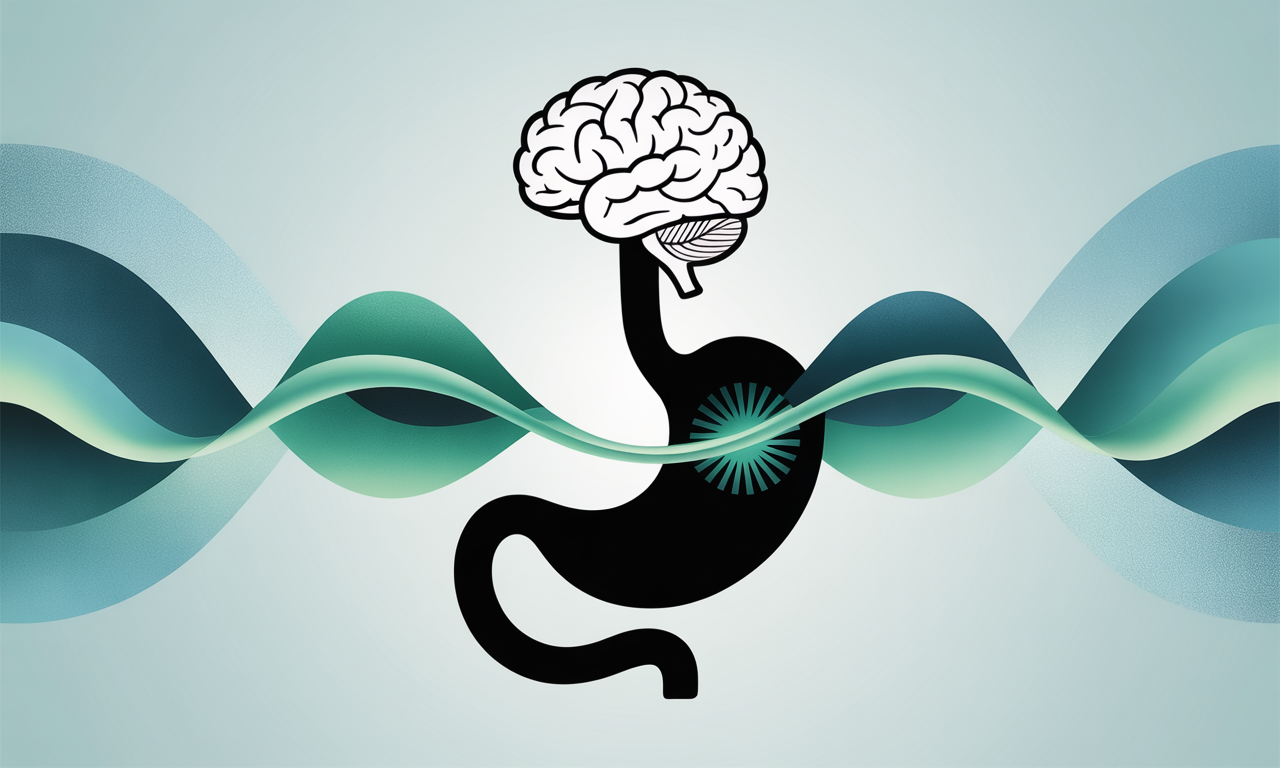
Recent research reveals that even tiny genetic mutations in our gut microbes—called single nucleotide variations (SNVs)—can influence brain chemistry, behavior, and how we explore the world. In an animal model, scientists sequenced over 5,000 gut microbial genomes and found links between these microbial mutations and behavioral traits like curiosity and exploration. Neuroscience News
Here’s what they discovered:
- Mutations in microbes can change the balance of metabolites in our body—some of which directly affect oxidative stress or neuroactive regulation. Neuroscience News
- One mutation was tied to changes in BDNF (Brain-Derived Neurotrophic Factor) synthesis, a molecule crucial for brain plasticity, learning, and memory. Neuroscience News
- In simpler terms: the tiny genetic tweaks happening in your gut bacteria might subtly tune how your brain works and how you behave.
What This Means for Psychology & Healing
- This study gives us a new dimension in understanding mental health: it’s not just our brain or hormones, but also our microbiome’s genetics.
- It strengthens the idea of a microbiome–metabolism–brain connection—that gut health isn’t only about digestion but may shape cognition and mood.
- This opens doors to personalized interventions: adjusting diet, probiotics, or microbial treatments to support mental wellness.
- For therapy and counselling, it adds another layer: understanding clients not just psychologically, but biologically, too.
Nuro Spark’s Promise: Bringing Science Into Practice
At Nuro Spark, this kind of research drives how we build our courses and programs:
- We integrate modules on gut–brain psychology, so learners understand how body systems connect to mind health.
- We explore holistic intervention strategies — beyond talk therapy — including diet, lifestyle, and microbiome-based support.
- In our advanced curriculum, we aim to train counsellors in integrative models that consider both psychology and biology.
- Our community conversations and learning labs will include microbiome literacy, making science accessible for transformation.
.jpg)

.jpg)











.jpg)
.jpg)
.jpg)
.jpg)
.jpg)
.jpg)
.jpg)
.jpg)
.jpg)
.jpg)